
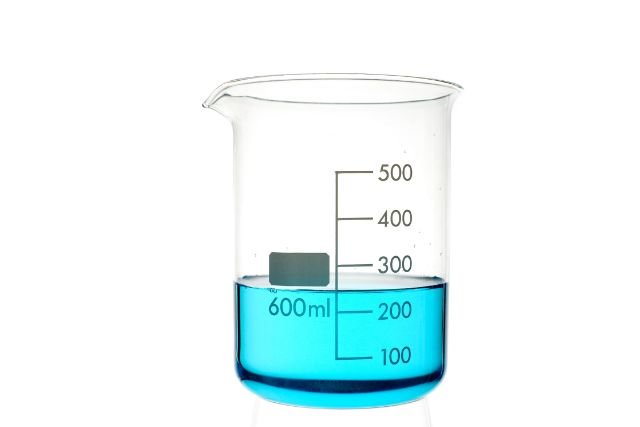
A beaker is one of the most versatile tools in a chemist’s arsenal. Used primarily for mixing, heating, or containing chemicals during experiments, the humble beaker plays a crucial role in laboratory work. Its wide mouth and straight sides make it easy to pour and stir substances, allowing for precise measurements and easy observation of reactions. In this article, we delve into the significance of what is a beaker used for in chemistry, exploring its various applications and importance in the world of science.

What is a Beaker Used for in Chemistry
Have you ever wondered what those glass containers with a spout and flat bottom are used for in a chemistry lab? Those are called beakers, and they are essential tools in any chemistry experiment. In this article, we are going to explore what beakers are used for in chemistry and why they are so important in the world of science.
Understanding the Beaker
Beakers are cylindrical containers with a lip or spout on one side for easy pouring. They are made of glass, plastic, or metal, with glass being the most common material due to its transparency and resistance to chemicals. Beakers come in various sizes, from small ones that hold a few milliliters to large ones that can contain liters of liquid.
Measuring Liquids
One of the primary uses of a beaker in chemistry is to measure liquids. Beakers are marked with volume gradations that allow scientists to estimate the amount of liquid being poured into them. While beakers are not as precise as graduated cylinders, they are useful for general measurements and mixing solutions.
Mixing Solutions
Beakers are also used for mixing solutions in chemistry experiments. Their wide mouth and flat bottom make it easy to stir and mix different substances together. Scientists can use stir bars or rods to blend the components inside the beaker thoroughly.
Heating Substances
Another important use of beakers in chemistry is for heating substances. Beakers are heat-resistant, which means they can be placed directly on a hot plate or over a Bunsen burner to heat liquids or solids. However, it’s essential to use a beaker made of borosilicate glass for heating to prevent cracking or breaking.
Observing Reactions
Beakers are also handy for observing chemical reactions. Their transparent nature allows scientists to see how substances interact with each other, change color, release gas, or form precipitates. This visual observation is crucial for understanding the reaction kinetics and outcomes.
Storing Liquids
Beakers can also be used for storing liquids temporarily during an experiment. While they are not as secure as bottles or vials with caps, beakers can hold solutions that need to be used quickly or transferred to another container. However, it’s essential to cover the beaker with a watch glass or plastic wrap to prevent contamination.
Why Beakers are Important in Chemistry
Beakers play a vital role in the field of chemistry due to their versatility and ease of use. They are indispensable tools for measuring, mixing, heating, and observing substances during experiments. Beakers are affordable, readily available, and come in various sizes to accommodate different experimental needs.
Whether you are a student conducting a simple lab experiment or a professional scientist working on groundbreaking research, beakers are essential instruments that you will encounter in any chemistry laboratory. Understanding how to use beakers correctly and safely is crucial for the success and accuracy of your experiments.
Next time you see a beaker in a chemistry lab, remember all the important roles it plays in the fascinating world of science!
How to use a beaker in the lab? – StonyLab.com
Frequently Asked Questions
What are the common uses of a beaker in chemistry?
A beaker is commonly used in chemistry laboratories for holding, mixing, and heating liquids. It is also used for carrying out simple reactions and measurements.
How do scientists use a beaker in chemical experiments?
Scientists use a beaker to measure and pour liquids, dissolve solid chemicals, and heat substances over a Bunsen burner or other heat sources for various experiments.
Can a beaker be used for accurate measurements in chemistry?
While beakers can provide approximate volume measurements, they are not the most accurate measuring tool due to their design and lack of precise graduations. For precise measurements, scientists typically use graduated cylinders or pipettes.
Final Thoughts
In conclusion, a beaker is a vital tool in chemistry laboratories, used for holding, mixing, and heating liquids. Its simple design and durability make it ideal for a wide range of experiments. The versatility of a beaker makes it a fundamental piece of equipment in any chemistry setting. Understanding what a beaker is used for in chemistry is key to conducting successful experiments and obtaining accurate results.