
A minor third is a term commonly heard in music theory. It is a specific interval that plays a crucial role in creating harmonies and melodies. When you hear a melancholic or bittersweet sound in a song, chances are a minor third is at play. Understanding the concept behind a minor third opens up a world of musical possibilities. Let’s delve deeper into what exactly a minor third is and how it contributes to the emotional depth of music.

Understanding the Magical Harmony: What is a Minor Third?
Welcome, young music enthusiasts, to an exciting journey into the wonderful world of notes, intervals, and harmony! Today, we are going to unravel the mystery behind a fascinating musical concept called the minor third.
What Exactly is a Minor Third?
Imagine you have a magical musical ruler that you can use to measure the distance between two notes. When we talk about a minor third, we are referring to a specific distance or interval between two notes in the musical scale. To put it simply, a minor third is made up of three half steps or semitones.
Let’s break it down further. In the world of music, we use letters of the alphabet to represent different notes. For example, we have notes like A, B, C, D, E, F, and G. When we want to find the minor third of a particular note, we count three half steps up the musical alphabet.
Example:
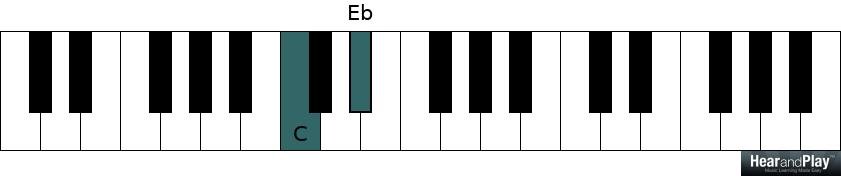
If we start with the note C, the minor third above C would be E-flat. To get from C to E-flat, we count C# (C sharp), D, and finally E-flat. This interval creates a unique sound that adds depth and emotion to music.
Why is the Minor Third Important?
The minor third is a crucial building block in music theory and composition. It plays a significant role in creating harmonies and melodies that can evoke different moods and feelings in listeners. Understanding how to use the minor third effectively can help musicians express themselves and connect with their audience on a deeper level.
When two notes are played a minor third apart, they create a bittersweet and melancholic sound that is often associated with sadness or introspection. This interval is commonly used in various musical genres, from classical to jazz to pop, adding richness and complexity to the music.
Exploring the Sound of the Minor Third
Close your eyes and listen to the beautiful sound of a minor third. Can you hear the gentle tension and resolution that it brings to a piece of music? The minor third has a unique quality that can tug at your heartstrings and transport you to different emotional landscapes.
Think of a favorite song or melody that you enjoy. Pay attention to the moments where the minor third is used. Notice how it can create a sense of longing, mystery, or even joy, depending on how it is combined with other musical elements.
Fun Experiment:
Grab a musical instrument or use an online keyboard to play a minor third. Try playing notes that are three half steps apart and listen to the beautiful harmony that emerges. Experiment with different combinations and see how the minor third can change the mood of the music.
How Musicians Use the Minor Third
Professional musicians and composers harness the power of the minor third to create stunning musical pieces that captivate audiences. Whether it’s weaving intricate melodies or crafting lush harmonies, the minor third serves as a versatile tool in their artistic arsenal.
In classical music, composers like Beethoven, Mozart, and Chopin used the minor third to add depth and drama to their compositions. Listen to famous pieces like Beethoven’s “Moonlight Sonata” or Chopin’s “Prelude in E Minor” to experience the haunting beauty of the minor third.
In jazz music, the minor third is a fundamental element in improvisation and chord progressions. Jazz musicians often use the minor third to add color and emotion to their solos, creating a sense of tension and release that keeps listeners engaged and enthralled.
Final Thoughts: Embracing the Beauty of the Minor Third
As we come to the end of our exploration into the enchanting world of the minor third, I encourage you to continue listening to music with a curious ear. Pay attention to how different artists use the minor third to convey their emotions and tell their stories through melody and harmony.
Remember, music is a universal language that can touch our hearts and souls in profound ways. The next time you hear a sweet, sorrowful melody or a hauntingly beautiful chord progression, think of the magical harmony of the minor third that breathes life into the music we love.
So, keep listening, keep learning, and keep embracing the beauty of the minor third in all its musical glory!
Music is a magical journey that never ends. Happy harmonizing!
Basic Intervals: 3rds, Minor and Major — Music Theory 101
Frequently Asked Questions
What is a minor third?
A minor third is a musical interval that spans three half steps or semitones. It is commonly found in melodies, chords, and harmonies, adding a specific sound characteristic to the music.
How is a minor third different from a major third?
A minor third is one half step smaller than a major third. While a major third consists of four half steps, a minor third consists of three half steps.
Can you give an example of a minor third interval in a song?
Sure! A classic example of a minor third interval is the opening notes of the song “Greensleeves.” The distance between the first and third notes of the melody forms a minor third interval.
Why is the minor third interval important in music theory?
The minor third interval plays a crucial role in establishing the tonality and mood of a musical piece. It creates tension and resolution, adding depth and emotion to the composition.
Final Thoughts
In music theory, a minor third is a musical interval that spans three half steps. It creates a melancholic and somber sound, often used to evoke emotional depth in compositions. Understanding what a minor third is essential for musicians and composers alike. Mastering its unique sound can enhance musical arrangements and convey specific moods effectively. Utilize the minor third wisely to add complexity and depth to your musical creations.