
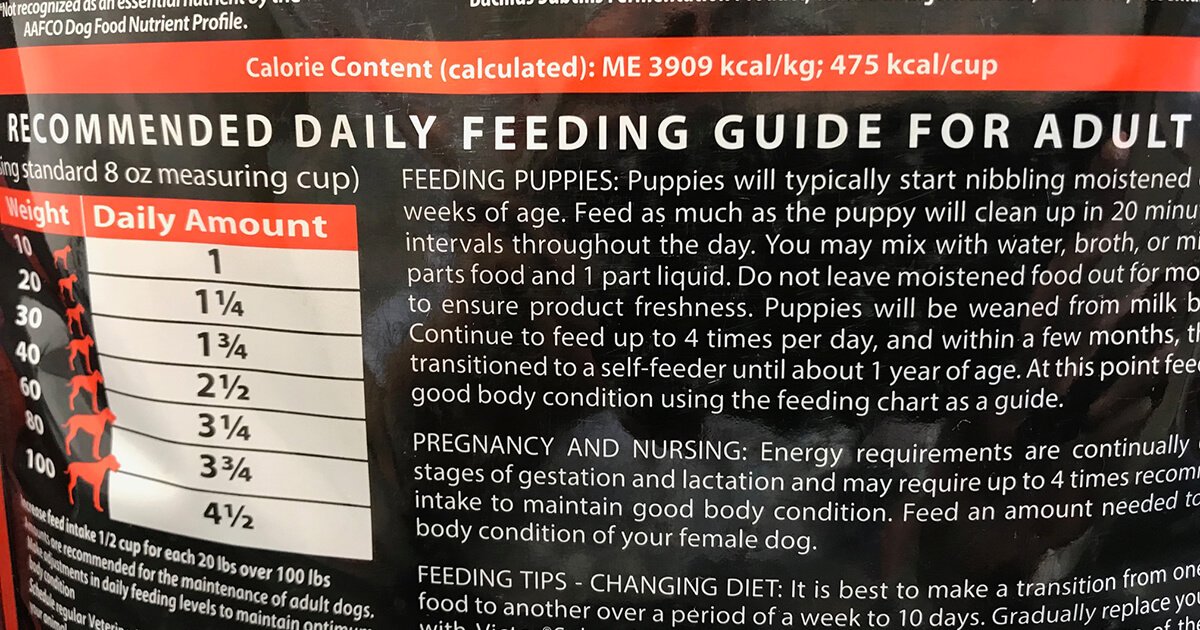
A kcal in dog food is simply a unit of energy measurement. It plays a crucial role in maintaining your furry friend’s health and vitality. Understanding what is a kcal in dog food is essential for making informed decisions about your pet’s nutrition. The right balance of calories is key to keeping your dog happy and healthy. Let’s delve deeper into this important aspect of canine nutrition.

What is a kcal in Dog Food?
Welcome to our comprehensive guide on understanding what a kcal in dog food is all about! As responsible pet owners, we always want to ensure that our furry friends are getting the right nutrition, and understanding calories in their food is a crucial part of that. In this article, we will dive deep into what kcal means in the context of dog food, why it matters, how to calculate your dog’s caloric needs, and much more. So, let’s jump right in!
Understanding Kcal in Dog Food
Kcal stands for kilocalorie, which is a unit of energy commonly used to measure the amount of energy in food. In simple terms, kcal in dog food refers to the number of calories present in the food that provides energy to your furry companion. Just like humans, dogs need a certain amount of calories to fuel their daily activities, maintain their weight, and stay healthy.
When you look at a bag of dog food, you will often see kcal/kg or kcal/cup mentioned on the packaging. This information is vital as it helps you determine how many calories your dog is consuming. Understanding kcal in dog food allows you to make informed decisions about your dog’s diet and ensure they are getting the right amount of energy to thrive.
Why Kcal Matters for Your Dog
Calories play a significant role in your dog’s overall health and well-being. The number of calories your dog needs depends on various factors such as their age, size, activity level, and metabolism. Providing the right amount of calories is essential to prevent obesity or undernourishment in your dog.
Feeding your dog the appropriate number of calories also impacts their energy levels, weight management, and even their coat condition. Monitoring kcal intake can help you prevent health issues related to improper nutrition and ensure your dog leads a long and healthy life.
Calculating Your Dog’s Caloric Needs
Now that you understand the importance of kcal in dog food, you might be wondering how to calculate your dog’s caloric needs. The good news is that it’s not as complicated as it sounds! To determine the right amount of calories for your furry friend, you can use the following formula:
Caloric Needs Formula for Dogs:
(30 x your dog’s body weight in kilograms) + 70 = Resting Energy Requirement (RER)
Once you have calculated your dog’s RER, you can then multiply it by a factor based on their activity level to get their total daily energy requirements (DER). This will give you a starting point to determine how many calories your dog should be consuming each day.
Keep in mind that this formula provides an estimate, and factors such as age, breed, and health condition can influence your dog’s caloric needs. It’s always best to consult your veterinarian to get personalized recommendations for your dog’s diet.
Choosing the Right Dog Food Based on Kcal
When selecting a dog food for your furry companion, it’s essential to consider the kcal content to ensure you are meeting their nutritional requirements. Different dog foods have varying calorie densities, so it’s crucial to read the labels and understand the kcal per serving.
If you have a high-energy dog that is active throughout the day, you may opt for a dog food with a higher kcal content to provide them with the energy they need. On the other hand, if your dog is less active or prone to weight gain, a lower kcal diet may be more suitable to prevent overfeeding.
Monitoring Your Dog’s Weight and Energy Levels
Once you have determined the right amount of calories for your dog and selected the appropriate dog food, it’s essential to monitor their weight and energy levels regularly. Keeping an eye on your dog’s body condition score and adjusting their calorie intake as needed will help you maintain their health and well-being.
Observe your dog for any changes in behavior, appetite, or weight, as these can be indicators of not getting enough or getting too many calories. By staying vigilant and proactive, you can ensure that your dog is getting the nutrition they need to thrive.
Understanding what a kcal in dog food means is a crucial step in providing the best care for your furry friend. By grasping the concept of calories, calculating your dog’s caloric needs, and choosing the right food based on kcal content, you can ensure that your dog stays healthy, active, and happy.
Remember, every dog is unique, so it’s essential to tailor their diet to their specific needs and consult with your veterinarian for personalized advice. By being mindful of kcal in your dog’s food, you are taking a proactive approach to their nutrition and well-being.
We hope this guide has shed light on the significance of kcal in dog food and has empowered you to make informed decisions about your dog’s diet. Here’s to many happy and healthy meals for your beloved canine companion!
Dog Treat Calories EXPOSED
Frequently Asked Questions
What does “kcal” mean in dog food?
In dog food, “kcal” stands for kilocalories, which are a unit of measurement to indicate the energy content in the food. This helps pet owners understand how much energy their dog is getting from the food they consume.
How is kcal content determined in dog food?
The kcal content in dog food is determined through laboratory analysis, where the food is burned and the energy released is measured. This process helps in accurately calculating the kilocalories present in the food to ensure it meets the nutritional requirements of dogs.
Why is understanding kcal important in dog food?
Understanding the kcal content in dog food is crucial for ensuring your furry friend receives the right amount of energy to maintain their health and weight. By knowing the kilocalories in their food, you can adjust portion sizes according to your dog’s activity level and prevent overfeeding or underfeeding.
Final Thoughts
In conclusion, a kcal in dog food represents the energy content that provides essential fuel for daily activities. Understanding kcal values helps pet owners properly manage their dog’s calorie intake to maintain a healthy weight. It is crucial to consider factors such as age, breed, and activity level when determining the appropriate kcal amount for your furry friend. By focusing on what is a kcal in dog food, you can make informed decisions to support your dog’s overall well-being.
