
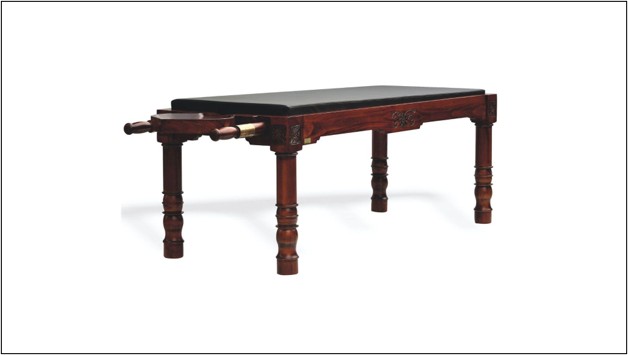
Ayurvedic wellness treatments require a carefully planned environment where every element supports the therapeutic process. While practitioner expertise remains essential, treatment furniture also plays a critical role in helping therapies proceed smoothly and comfortably. The right equipment contributes to client relaxation while assisting therapists in delivering consistent care.
Wellness centers, Panchakarma facilities, and Ayurvedic spas often invest in purpose-built furnishings that align with traditional treatment requirements. Among the most important pieces used in these settings is the Shirodhara Massage Bed, a specialized solution designed to support oil-based therapies while enhancing comfort and treatment efficiency.
Understanding the Role of Dedicated Ayurvedic Therapy Equipment
Traditional Ayurvedic treatments involve techniques that differ considerably from standard massage services. Many procedures require specific positioning, extended session durations, and continuous application of therapeutic oils throughout the treatment process.
Purpose-built therapy furniture helps accommodate these requirements while creating a practical environment for both therapists and clients. Equipment developed specifically for Ayurvedic applications supports smoother workflows and contributes to a more organized treatment experience.
Supporting Traditional Therapy Procedures
Specialized furniture allows practitioners to perform treatments with greater consistency. Proper equipment helps maintain positioning and supports techniques associated with classical Ayurvedic practices.
Enhancing Client Comfort Throughout Sessions
Many Ayurvedic therapies involve lengthy appointments. Comfortable treatment surfaces help clients remain relaxed, allowing them to focus on the wellness experience rather than physical discomfort.
Improving Treatment Room Functionality
Dedicated therapy furniture can simplify treatment preparation and session management. This efficiency benefits facilities that serve multiple clients throughout the day.
Reinforcing Professional Standards
High-quality furnishings contribute to a treatment room that feels organized and professional. Clients often appreciate environments where every detail appears thoughtfully considered.
Construction Quality Directly Influences Long-Term Performance
Furniture used in wellness facilities experiences daily operational demands. Frequent use, routine cleaning, and ongoing exposure to oils require durable construction capable of maintaining performance over time.
Strong structural integrity supports stability during treatments while helping facilities maximize the lifespan of their equipment. Quality craftsmanship often contributes to greater reliability and reduced maintenance concerns.
Several construction characteristics deserve careful evaluation:
- Stable frame construction
- Durable treatment surfaces
- Smooth finishing quality
- Reliable load-bearing capability
- Long-term structural performance
These elements work together to create furniture that remains dependable while supporting consistent treatment delivery across years of professional use.
Material Selection Matters in Ayurvedic Treatment Environments
The materials used in therapy furniture influence appearance, durability, maintenance requirements, and overall user experience. Wellness facilities often seek furnishings that balance practical functionality with visual appeal.
Carefully selected materials contribute to treatment rooms that feel welcoming and professional. Consistency in finish quality can help create a cohesive atmosphere that aligns with the principles of traditional wellness practices.
Maintenance is another important consideration. Furniture designed for straightforward cleaning can simplify daily operations while helping facilities maintain hygiene standards expected by modern clients.
Thoughtful material choices often support both operational efficiency and aesthetic continuity. As a result, treatment spaces can remain visually appealing while continuing to perform effectively under regular use.
Functional Design Supports Better Therapy Delivery
Effective treatment furniture should address the practical requirements of therapists as well as the comfort needs of clients. Functional design contributes significantly to overall treatment quality.
Equipment designed with usability in mind can help practitioners perform therapies more efficiently. Improved accessibility often supports smoother treatment execution while minimizing unnecessary physical strain.
Comfortable Positioning for Clients
Appropriate body support helps clients remain comfortable throughout extended sessions. Proper positioning can contribute to a more relaxing therapeutic experience.
Improved Accessibility for Therapists
Well-considered design allows therapists to move naturally during treatments. Easier access can support precision and consistency throughout the session.
Many facilities prioritize furniture that combines ergonomic considerations with traditional treatment requirements. This balance helps create a practical environment without compromising authenticity.
A functional approach to design can enhance both operational performance and client satisfaction, making it an important consideration during equipment selection.
Hygiene and Maintenance Remain Essential Considerations
Professional wellness facilities place significant emphasis on cleanliness. Treatment furniture should support routine sanitation procedures while maintaining its appearance and functionality.
Equipment that is easy to clean can streamline daily operations and reduce preparation time between appointments. Efficient maintenance practices also help facilities uphold professional standards.
Important maintenance considerations often include:
- Easy-to-clean surfaces
- Consistent hygiene management
- Durable finishing materials
- Resistance to everyday wear
- Long-term appearance retention
These practical characteristics can contribute to a more efficient working environment while helping create positive impressions among visitors.
Well-maintained equipment reflects a facility’s commitment to quality care. Clients frequently associate cleanliness and attention to detail with professionalism and reliability.
Selecting Furniture That Supports Facility Growth
Choosing treatment furniture represents a long-term operational decision. Facilities often evaluate equipment based on functionality, durability, aesthetics, and compatibility with their service offerings. A thoughtful purchasing process helps ensure that furniture aligns with both immediate requirements and future business objectives. Equipment that performs consistently can support smoother operations and contribute to long-term value.
Decision-makers commonly assess treatment requirements, available space, anticipated usage levels, and maintenance expectations before making an investment. Careful planning helps reduce the likelihood of future replacement costs.
Ultimately, selecting the right therapy furniture involves balancing comfort, performance, and durability. Facilities that invest in quality equipment are often better positioned to deliver consistent experiences while maintaining operational efficiency over time.
Final Thoughts
Looking to create a more refined and efficient Ayurvedic treatment environment? The quality of therapy furniture can influence practitioner performance, client comfort, and overall facility presentation. By offering specialized wellness furnishings designed for professional therapy settings, SPA Furniture helps wellness centers equip their spaces with dependable solutions, including a premium Ayurvedic Massage Table that supports authentic treatments, operational reliability, and long-term value.
Ayurvedic wellness treatments require a carefully planned environment where every element supports the therapeutic process. While practitioner expertise remains essential, treatment furniture also plays a critical role in helping therapies proceed smoothly and comfortably. The right equipment contributes to client relaxation while assisting therapists in delivering consistent care.
Wellness centers, Panchakarma facilities, and Ayurvedic spas often invest in purpose-built furnishings that align with traditional treatment requirements. Among the most important pieces used in these settings is the Shirodhara Massage Bed, a specialized solution designed to support oil-based therapies while enhancing comfort and treatment efficiency.
Understanding the Role of Dedicated Ayurvedic Therapy Equipment
Traditional Ayurvedic treatments involve techniques that differ considerably from standard massage services. Many procedures require specific positioning, extended session durations, and continuous application of therapeutic oils throughout the treatment process.
Purpose-built therapy furniture helps accommodate these requirements while creating a practical environment for both therapists and clients. Equipment developed specifically for Ayurvedic applications supports smoother workflows and contributes to a more organized treatment experience.
Supporting Traditional Therapy Procedures
Specialized furniture allows practitioners to perform treatments with greater consistency. Proper equipment helps maintain positioning and supports techniques associated with classical Ayurvedic practices.
Enhancing Client Comfort Throughout Sessions
Many Ayurvedic therapies involve lengthy appointments. Comfortable treatment surfaces help clients remain relaxed, allowing them to focus on the wellness experience rather than physical discomfort.
Improving Treatment Room Functionality
Dedicated therapy furniture can simplify treatment preparation and session management. This efficiency benefits facilities that serve multiple clients throughout the day.
Reinforcing Professional Standards
High-quality furnishings contribute to a treatment room that feels organized and professional. Clients often appreciate environments where every detail appears thoughtfully considered.
Construction Quality Directly Influences Long-Term Performance
Furniture used in wellness facilities experiences daily operational demands. Frequent use, routine cleaning, and ongoing exposure to oils require durable construction capable of maintaining performance over time.
Strong structural integrity supports stability during treatments while helping facilities maximize the lifespan of their equipment. Quality craftsmanship often contributes to greater reliability and reduced maintenance concerns.
Several construction characteristics deserve careful evaluation:
- Stable frame construction
- Durable treatment surfaces
- Smooth finishing quality
- Reliable load-bearing capability
- Long-term structural performance
These elements work together to create furniture that remains dependable while supporting consistent treatment delivery across years of professional use.
Material Selection Matters in Ayurvedic Treatment Environments
The materials used in therapy furniture influence appearance, durability, maintenance requirements, and overall user experience. Wellness facilities often seek furnishings that balance practical functionality with visual appeal.
Carefully selected materials contribute to treatment rooms that feel welcoming and professional. Consistency in finish quality can help create a cohesive atmosphere that aligns with the principles of traditional wellness practices.
Maintenance is another important consideration. Furniture designed for straightforward cleaning can simplify daily operations while helping facilities maintain hygiene standards expected by modern clients.
Thoughtful material choices often support both operational efficiency and aesthetic continuity. As a result, treatment spaces can remain visually appealing while continuing to perform effectively under regular use.
Functional Design Supports Better Therapy Delivery
Effective treatment furniture should address the practical requirements of therapists as well as the comfort needs of clients. Functional design contributes significantly to overall treatment quality.
Equipment designed with usability in mind can help practitioners perform therapies more efficiently. Improved accessibility often supports smoother treatment execution while minimizing unnecessary physical strain.
Comfortable Positioning for Clients
Appropriate body support helps clients remain comfortable throughout extended sessions. Proper positioning can contribute to a more relaxing therapeutic experience.
Improved Accessibility for Therapists
Well-considered design allows therapists to move naturally during treatments. Easier access can support precision and consistency throughout the session.
Many facilities prioritize furniture that combines ergonomic considerations with traditional treatment requirements. This balance helps create a practical environment without compromising authenticity.
A functional approach to design can enhance both operational performance and client satisfaction, making it an important consideration during equipment selection.
Hygiene and Maintenance Remain Essential Considerations
Professional wellness facilities place significant emphasis on cleanliness. Treatment furniture should support routine sanitation procedures while maintaining its appearance and functionality.
Equipment that is easy to clean can streamline daily operations and reduce preparation time between appointments. Efficient maintenance practices also help facilities uphold professional standards.
Important maintenance considerations often include:
- Easy-to-clean surfaces
- Consistent hygiene management
- Durable finishing materials
- Resistance to everyday wear
- Long-term appearance retention
These practical characteristics can contribute to a more efficient working environment while helping create positive impressions among visitors.
Well-maintained equipment reflects a facility’s commitment to quality care. Clients frequently associate cleanliness and attention to detail with professionalism and reliability.
Selecting Furniture That Supports Facility Growth
Choosing treatment furniture represents a long-term operational decision. Facilities often evaluate equipment based on functionality, durability, aesthetics, and compatibility with their service offerings. A thoughtful purchasing process helps ensure that furniture aligns with both immediate requirements and future business objectives. Equipment that performs consistently can support smoother operations and contribute to long-term value.
Decision-makers commonly assess treatment requirements, available space, anticipated usage levels, and maintenance expectations before making an investment. Careful planning helps reduce the likelihood of future replacement costs.
Ultimately, selecting the right therapy furniture involves balancing comfort, performance, and durability. Facilities that invest in quality equipment are often better positioned to deliver consistent experiences while maintaining operational efficiency over time.
Final Thoughts
Looking to create a more refined and efficient Ayurvedic treatment environment? The quality of therapy furniture can influence practitioner performance, client comfort, and overall facility presentation. By offering specialized wellness furnishings designed for professional therapy settings, SPA Furniture helps wellness centers equip their spaces with dependable solutions, including a premium Ayurvedic Massage Table that supports authentic treatments, operational reliability, and long-term value.