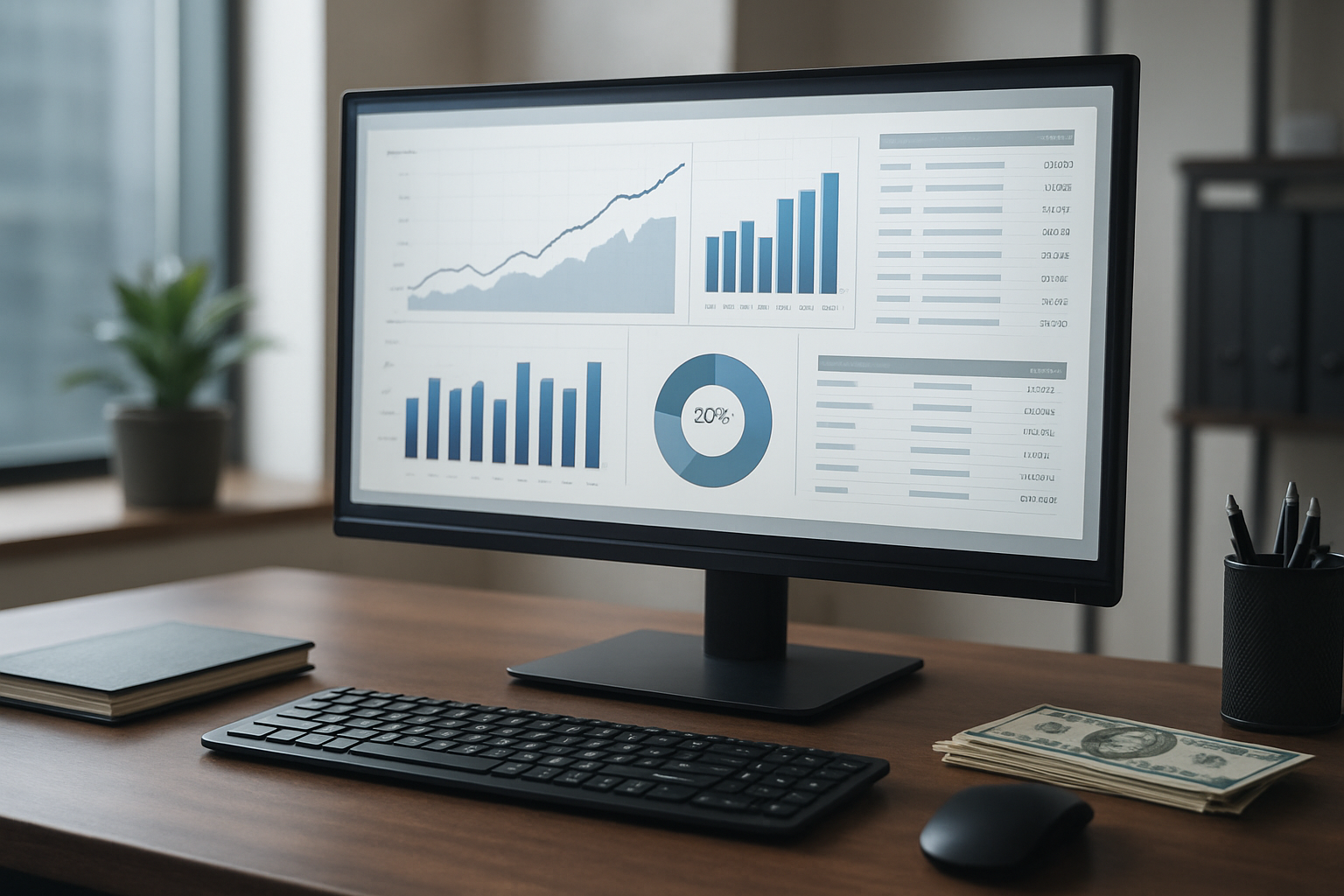

Market participation has changed. Execution expectations have changed with it.cEquity traders now operate in an environment where price movement develops quickly, information arrives continuously, and market access extends far beyond domestic exchanges. A platform is no longer just an entry point into financial markets. It becomes part of the trading process itself. For many active participants evaluating technology, pricing visibility, plus execution quality, Flow FX equity trading represents the type of structured environment increasingly associated with modern multi-asset market access.
Across equities, forex, commodities, ETFs, and digital assets, traders continue looking for platforms that reduce friction. Not noise. Faster order handling, synchronized access, real-time market data, alongside portfolio visibility have become practical requirements rather than optional additions.
Equity Markets Demand More Than Simple Market Access
Buying and selling shares sounds straightforward. Actual execution is different. Equity markets react to earnings reports, macroeconomic releases, institutional positioning, sector rotation, along with shifts in investor sentiment. Because of that, traders often focus on platforms capable of handling rapid information flow without creating operational delays.
Beyond speed, visibility matters. Market participants need access to pricing, account exposure, execution details, and portfolio movement from one environment rather than multiple disconnected systems. That structure improves workflow throughout active trading sessions.
Why Platform Infrastructure Directly Affects Trading Activity
Technology sits underneath every order. When infrastructure becomes inconsistent, execution quality suffers. Traders notice it immediately. Delayed confirmations, interrupted market access, or incomplete position visibility can interfere with decision-making during volatile conditions.
For this reason, serious market participants frequently evaluate platform architecture before evaluating promotional claims. Stability, responsiveness, plus system continuity remain central factors when selecting a trading environment designed for active equity participation.
Trading Tools That Support Structured Market Analysis
Market analysis depends on access to usable information. Without charting systems, pricing visibility, or execution controls, traders spend more time navigating software than evaluating opportunities. Modern platforms therefore continue expanding their analytical capabilities to support different trading approaches.
Real-Time Equity Pricing
Price movement changes continuously during market hours. Live data feeds allow traders to evaluate market behavior using current information instead of delayed quotes. Timing influences execution decisions, especially during earnings announcements or periods of elevated volume.
Advanced Technical Charting
Different traders analyze markets differently. Some focus on trend behavior. Others monitor momentum, volume, or support and resistance levels. Customizable charting layouts help organize information according to strategy requirements rather than platform limitations.
Order Placement Flexibility
Execution methods vary depending on market conditions. Market orders, limit orders, stop orders, alongside pending order structures provide traders with greater control over entries, exits, and position management throughout changing market environments.
Watchlists and Market Monitoring
Tracking multiple instruments simultaneously requires organization. Structured watchlists, alerts, plus monitoring tools allow traders to follow specific equities without constantly searching through broader market data. The objective stays simple. Reduce unnecessary steps.
Risk Management Tools Remain Part of Every Serious Trading Strategy
Market opportunities attract attention. Risk management protects capital. Even experienced traders operate with predefined exposure levels because price movement cannot be controlled. For that reason, trading platforms increasingly integrate account-level monitoring tools designed to improve awareness throughout market sessions.
What happens when volatility accelerates unexpectedly? Without visibility into margin usage, position size, or portfolio concentration, decision-making becomes harder. Effective platforms help address that issue through structured risk controls.
Position Monitoring Systems
Active positions require continuous oversight. Real-time account views allow traders to monitor open trades, floating profit and loss, plus available margin from one location.
Margin Visibility
Leverage changes exposure quickly. Transparent margin displays help traders evaluate available capital before entering additional positions or adjusting existing trades.
Stop-Loss Functionality
Protective orders define risk before a position develops. This creates a structured framework for managing downside exposure during changing market conditions.
Exposure Awareness
Holding several positions across sectors or instruments may increase concentration risk. Exposure monitoring tools provide clearer visibility into overall account allocation and trading activity.
Multi-Asset Access Creates Additional Trading Opportunities
Many traders no longer focus exclusively on equities. Global markets remain interconnected. Currency movement influences equities. Commodity pricing affects sectors. Digital assets introduce separate volatility cycles. Because of this, traders increasingly favor platforms capable of supporting multiple asset classes through one account environment.
Commonly accessed instruments include:
- Equities and U.S. stocks
- Forex currency pairs
- Commodities such as gold and oil
- Market indices
- ETFs
- Cryptocurrency CFDs
Broader access creates flexibility. Market conditions rarely remain identical across every asset class at the same time.
Mobile Accessibility Continues Reshaping Trading Behavior
Desktop access remains important. Mobile functionality, however, now influences how many traders manage positions throughout the day. Market participants increasingly expect the same visibility on mobile devices that they receive through desktop platforms. Access alone is not enough. Performance matters.
Synchronized Account Access
Positions, balances, and account activity should remain visible regardless of device. Consistent synchronization helps traders transition between environments without losing visibility.
Mobile Order Execution
Market conditions do not pause while traders travel. Mobile execution tools allow positions to be opened, modified, or closed without requiring desktop access.
Real-Time Notifications
Price alerts and account updates provide additional awareness throughout trading sessions. This helps traders respond faster when predefined conditions are reached.
Multi-Platform Availability
Web-based access, desktop terminals, Android applications, plus iOS environments create flexibility for different trading preferences and workflows.
Security, Transparency, and Platform Reliability
A trading platform handles more than orders. It manages account access, personal information, transaction activity, plus capital movement. Because of that, traders often review security standards before evaluating additional platform features.
Encrypted systems, account verification procedures, session monitoring, alongside structured internal controls contribute to a more secure environment. Operational transparency matters as well. Clear reporting, visible execution records, and detailed transaction histories help traders review activity objectively. Reliable infrastructure becomes noticeable over time. Not during advertisements.
Final Thoughts
Looking for a platform that combines structured execution with access across multiple global markets? Traders researching the best online trading platform in the world often evaluate factors such as order quality, platform stability, market coverage, security standards, and account visibility before making a decision. Positioned within that landscape, Flow FX provides access to equities, forex, commodities, cryptocurrencies, ETFs, along with indices through web trading, MetaTrader 5, desktop terminals, Android applications, and iOS platforms, giving traders a unified environment designed around execution clarity, market access, and practical trading functionality.