
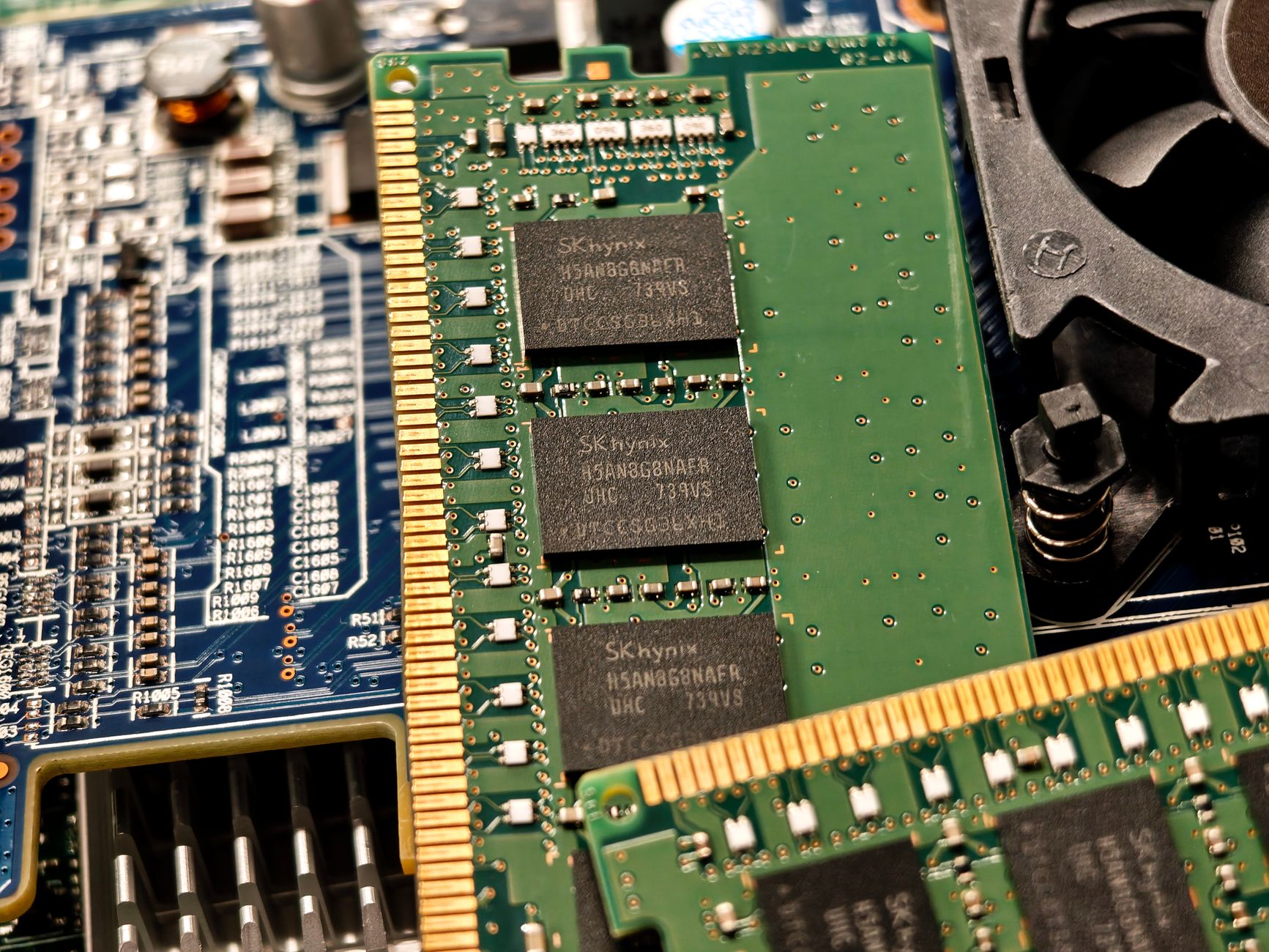
The SK Hynix Intel deal marks a significant step in memory chip manufacturing. This collaboration aims to produce chips in the US for the first time, enhancing local production capabilities.
Overview of the SK Hynix Intel deal
The recent discussions between SK Hynix and Intel mark a significant step in the semiconductor industry, particularly in the production of memory chips in the United States. The SK Hynix Intel deal aims to establish a robust manufacturing presence, enhancing local production capabilities and reducing reliance on overseas suppliers.
This partnership comes at a critical time when the demand for memory chips is soaring, driven by advancements in artificial intelligence, cloud computing, and consumer electronics. By collaborating, both companies hope to leverage their strengths to create more efficient supply chains and innovative products.
Key points of the deal include:
- Local Manufacturing: Establishing production facilities in the U.S. will help meet domestic demand more effectively.
- Technological Collaboration: Combining SK Hynix’s expertise in memory technology with Intel’s advanced semiconductor capabilities.
- Job Creation: The deal is expected to generate numerous jobs in the U.S. manufacturing sector.
The SK Hynix Intel deal reflects a strategic response to global supply chain challenges, aiming to bolster the United States’ position in the semiconductor market.
Impact on US memory chip production
The recent SK Hynix Intel deal is poised to significantly impact US memory chip production. As the demand for memory chips continues to surge, this collaboration aims to strengthen the domestic supply chain while reducing reliance on foreign manufacturers. By establishing memory chip production in the United States, SK Hynix and Intel are not only addressing the growing market needs but also enhancing technological capabilities within the country.
Several factors underscore the importance of this development:
- Increased Local Manufacturing: The deal facilitates the creation of manufacturing facilities in the US, which could lead to job creation and investment in local economies.
- Supply Chain Resilience: With production on American soil, companies can expect more stability in their supply chains, minimizing disruptions that often occur due to geopolitical tensions.
- Technological Advancements: Collaborating with Intel, a leader in semiconductor technology, allows SK Hynix to leverage cutting-edge innovation, enhancing product quality and performance.
- National Security: Reducing dependency on overseas production helps bolster national security interests in the semiconductor sector.
Overall, the SK Hynix Intel deal represents a strategic move that could reshape the landscape of memory chip manufacturing in the US, benefiting both companies and the broader economy.
What this means for the semiconductor industry
The recent SK Hynix Intel deal marks a significant shift in the semiconductor industry, particularly for memory chip production in the United States. This collaboration is expected to enhance the domestic supply chain, reducing reliance on overseas manufacturing and promoting local job creation.
Several factors contribute to the importance of this deal:
- Increased Competition: The partnership aims to foster competition in the memory chip market, which is currently dominated by a few major players. This could lead to more innovation and better pricing for consumers.
- Technological Advancements: By leveraging SK Hynix’s expertise in memory technology and Intel’s robust manufacturing capabilities, the deal is likely to accelerate advancements in chip design and efficiency.
- National Security: Strengthening domestic production aligns with national security interests, reducing vulnerability to supply chain disruptions caused by geopolitical tensions.
- Sustainability Goals: The deal may also focus on developing environmentally friendly manufacturing processes, addressing the industry’s impact on climate change.
Overall, the SK Hynix Intel deal represents a strategic move that could reshape the landscape of the semiconductor industry, paving the way for a more resilient and innovative future.
Potential benefits for consumers
The recent SK Hynix Intel deal holds several potential benefits for consumers, particularly in the realm of memory chip accessibility and pricing. As production of memory chips shifts to the United States, consumers can expect a more stable supply chain, which could mitigate the shortages that have plagued the market in recent years.
With increased manufacturing capacity on US soil, competition within the memory chip sector is likely to intensify. This heightened competition may lead to:
- Lower Prices: As more companies enter the fray with increased production capabilities, consumers may benefit from reduced prices on memory products.
- Enhanced Innovation: A more robust domestic market could spur technological advancements, resulting in faster and more efficient memory solutions.
- Improved Quality Control: Producing chips locally allows for stricter quality oversight, which can lead to higher reliability in memory products.
Furthermore, the SK Hynix Intel deal could foster collaborations among tech companies, promoting the development of advanced memory technologies that meet the demands of modern computing. Overall, consumers stand to gain significantly from this strategic partnership, as it promises to strengthen the US semiconductor landscape.
Challenges facing the collaboration
Despite the promising outlook of the SK Hynix Intel deal, several challenges could impact the collaboration. First and foremost, regulatory hurdles may pose significant obstacles. The semiconductor industry is heavily scrutinized, especially concerning national security and technology transfer. Both companies will need to navigate complex legal frameworks to ensure compliance with U.S. regulations.
Additionally, the competition in the memory chip market is fierce. Major players like Samsung and Micron are continuously innovating and expanding their production capabilities. The SK Hynix Intel deal must deliver unique value propositions to stand out against these established competitors.
Supply chain issues also remain a concern. The ongoing global chip shortage highlights vulnerabilities within the semiconductor supply chain. Disruptions in the sourcing of raw materials or logistics could hinder production timelines and ultimately affect the overall success of the collaboration.
Moreover, aligning corporate cultures and operational strategies between SK Hynix and Intel could present challenges. Effective communication and integration will be crucial to overcoming potential conflicts and ensuring that both parties work cohesively towards their mutual goals.
In summary, while the SK Hynix Intel deal holds promise, addressing these challenges will be essential for its success and the future of U.S. memory chip production.
Future of memory chip manufacturing
The future of memory chip manufacturing is poised for significant transformation, particularly with the recent SK Hynix Intel deal. As these two giants collaborate, we can expect a shift in both production techniques and market dynamics.
One of the most notable changes will be the potential for increased innovation in memory chip technology. By combining SK Hynix’s advanced manufacturing capabilities with Intel’s robust research and development framework, the partnership may accelerate the introduction of next-generation memory solutions. This could lead to enhanced performance and efficiency, benefiting a wide range of applications from consumer electronics to enterprise solutions.
Moreover, the deal could help address supply chain vulnerabilities that have plagued the semiconductor industry. With production based in the US, the collaboration aims to reduce dependency on overseas manufacturing, thereby improving resilience against geopolitical tensions and trade restrictions.
However, this future is not without its challenges. The integration of operations and technologies will require significant investment and strategic planning. Additionally, both companies must navigate regulatory hurdles to ensure compliance with US laws.
Ultimately, the SK Hynix Intel deal represents a forward-thinking approach to memory chip manufacturing, with the potential to reshape the landscape of the semiconductor industry for years to come.
Expert opinions on the SK Hynix Intel partnership
Experts have weighed in on the recently announced SK Hynix Intel deal, highlighting its potential ramifications for the semiconductor landscape. Industry analysts believe that the partnership could significantly enhance the production capabilities of US memory chips. Dr. Emily Chang, a semiconductor researcher at Tech Insights, stated, “This collaboration represents a pivotal moment for the US memory chip market, allowing for greater innovation and competitiveness.”
Furthermore, John Liu, an analyst at Global Semiconductor Watch, pointed out that the SK Hynix Intel deal could lead to improved supply chain resilience. “By manufacturing chips domestically, both companies can mitigate risks associated with overseas production and supply chain disruptions,” he noted.
However, not all views are entirely optimistic. Maria Gonzalez, a market strategist at Chip Futures, expressed concerns regarding the potential challenges that could arise from this partnership. “Integrating technologies and aligning business strategies can be complex, and there is always a risk of operational hurdles,” she warned.
Despite the challenges, the general consensus among experts remains positive. The SK Hynix Intel deal is seen as a strategic move that could redefine the future of memory chip manufacturing in the United States.
Photo by Adriano Ponte Abreu on Pexels