
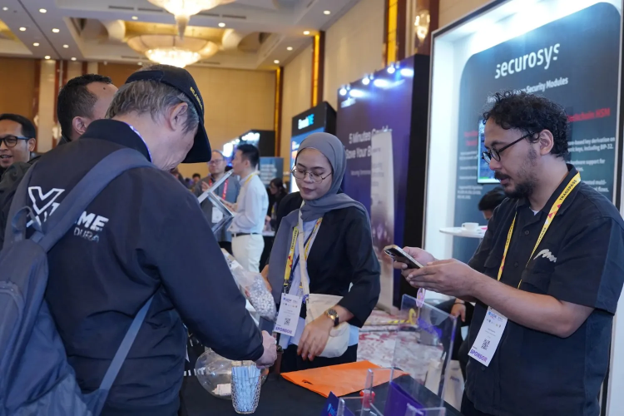
Cybersecurity has become one of the most critical focus areas in today’s digital-first world. As organizations expand their online presence, the need for advanced security strategies, threat intelligence, and risk mitigation continues to grow. This has led to a rapid rise in the number of global platforms where experts, enterprises, and innovators come together to discuss evolving cyber threats and solutions.
In this environment, a cybersecurity event for professionals plays a vital role in connecting industry leaders, researchers, and practitioners. These events help bridge the gap between emerging threats and practical defense strategies by offering real-world insights, technical demonstrations, and collaborative discussions that strengthen global cybersecurity readiness.
Evolving Role of Cybersecurity Events in Digital Defense Strategy
Cybersecurity events are now not just simple conferences but improved knowledge-sharing environments where specialists can get a glimpse of the latest technologies and threat intelligence. Such summits are currently more geared towards proactive defense mechanisms, as opposed to merely reactive solutions, keeping organizations ahead of cybercriminals. These events, based on the growing sophistication of cyber threats, have become a part of continuous learning, strategy formation, and international co-operation in the movements.
1. Growing Importance of Global Cyber Awareness
Cyber threats are not just localized events nowadays; they are international issues impacting both governments, businesses, and individuals. The sensitization initiatives at cybersecurity summits enable organizations to know new trends in attacks and countermeasures.
2. Integration of Advanced Security Technologies
Recent cybersecurity incidents emphasize technologies like AI-based threat detection, cloud security systems, and zero-trust architecture to reinforce organizational defense systems.
3. Cooperation among Industry Experts
These forums motivate ethical hackers, security analysts, and enterprise executives to provide real-world experiences and enhance the threat response mechanisms.
4. Target Real-Time Threat Intelligence
Security experts are able to access live threat information and case studies, which aid them in reacting efficiently to the prevalent cyber threats and vulnerabilities.
5. Skills in Future Cybersecurity
During these events, workshops and training can assist professionals in updating their technical skills and remaining at the level of industry standards.
Strengthening Professional Networks Through Cybersecurity Forums
One of the key benefits of a cybersecurity event among professionals is the potential to establish good networks worldwide. These bridging relationships enable professionals to jointly conduct research, exchange threat intelligence, and create concerted defenses across sectors, with a cybersecurity incident becoming a central hub where appropriate cooperation and information are both feasible and valuable. These types of networking also promote collaboration among cybersecurity companies, government work teams, and businesses.
- Sharing of knowledge amongst security professionals: Experts engage in exchanging knowledge, methodologies, and tools that aid in enhancing cybersecurity systems in various institutions and sectors.
- Exposure to Industry Best Practices: Sessions underscore world-leading standards and best practices which institutions can use to enhance their security posture.
- Career Growth and Professional Development: Cybersecurity summits are offered in the form of certification, mentoring, and career growth in specialized security areas.
- Strategic Partnerships and Collaborations: During these events, organizations tend to collaborate to come up with more robust cybersecurity measures and collaborative research efforts.
- Awareness of Global Compliance Standards: Analysts elaborate on global standards and compliance policies that assist organizations in ensuring legal and operational levels of security.
Together, these networking opportunities, knowledge-sharing sessions, and collaborative initiatives empower cybersecurity professionals to strengthen organizational resilience, stay ahead of evolving threats, and contribute to a more secure and interconnected digital ecosystem.
Why Cybersecurity Events Matter for Industry Growth
Cybersecurity incidents are emerging as key drivers of knowledge sharing, innovation, and international collaboration in the digital security environment. With cyber threats taking on new forms of complexity and magnitude, live demonstrations and expert-led discussions are becoming more popular within organizations to keep them ready. A security leader, researchers, and the IT team host a cybersecurity event for professionals, a guided event in which professionals have the opportunity to investigate real-world attack scenarios, defensive, and recently advancing technologies. Managing these events also assists organizations in enhancing internal security structures through the experience of case studies of the industry, as well as regulatory developments and innovative use of threat intelligence provided by international experts within an immensely interactive milieu.
Advancing Innovation Through Cybersecurity Conferences
Innovation hubs related to cybersecurity events also introduce new technologies, tools, and methodologies to address contemporary cyber issues. Through such channels, there is encouragement for experimentation and the adoption of new, high-tech security solutions. It is not merely about the identification of risks, but also about resilient digital ecosystems that can adapt to challenges going forward.
1. AI and Machine Learning in Cyber Defense
Artificial intelligence is transforming the world of cybersecurity by allowing the advancement of threat prediction and automation of response systems.
2. Cloud Security and Data Protection
As more cloud is being adopted, securing distributed systems and sensitive data environments are in the spotlight of events.
3. Zero Trust Security Models
Zero-trust architecture is emerging as a mainstream way of reducing the exposure to unauthorized access and enhancing internal security structures.
4. Incident Response and Recovery Strategies
Organizations acquire a systematic method for reacting to cyber-incidents effectively and mitigating damage to operations.
5. Emerging Threat Landscape Analysis
The professionals introduce new attack vectors like ransomware, phishing development, and supply chain weaknesses.
Conclusion
The Cybersecurity summits have emerged as fundamental venues for sharing knowledge, innovation, and international collaboration on digital defense measures. They offer critical insights to professionals, practical learning experiences, and exposure to advanced technologies that reinforce organizational security systems. The popularity of the best cybersecurity events in Indonesia can be explained by the increased interest of the region in the international cybersecurity discourse.
For professionals seeking advanced learning and networking opportunities, the IndoSec Summit offers a leading platform to explore modern cybersecurity challenges, engage with industry experts, and discover innovative solutions shaping the future of digital security. With its focus on collaboration, innovation, and practical insights, it continues to play a key role in strengthening cybersecurity awareness and preparedness worldwide.
