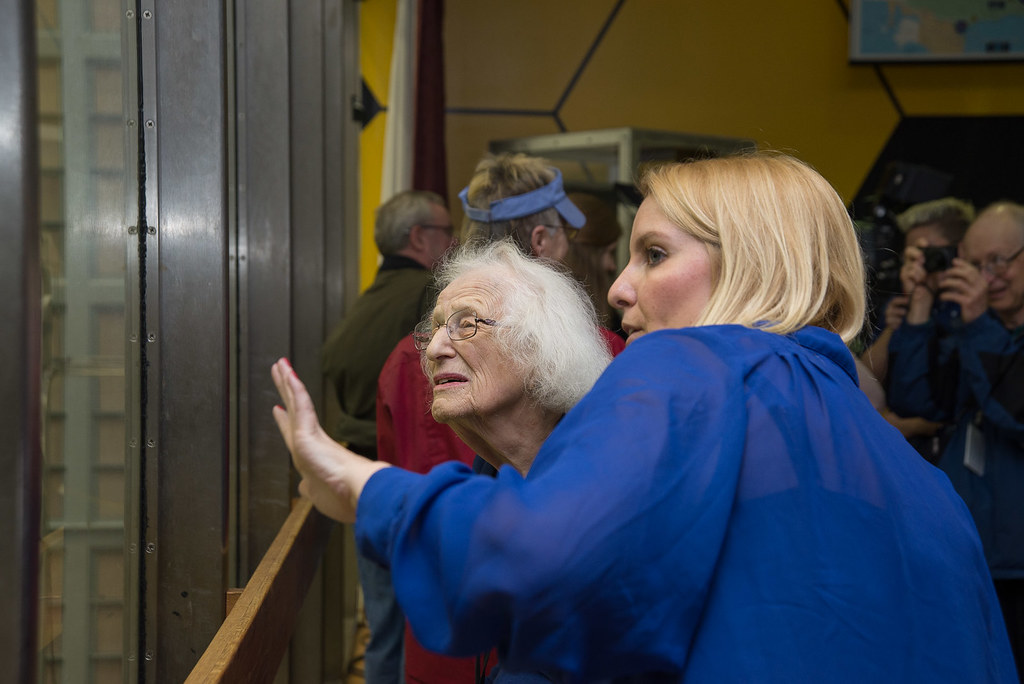

Reversing aging is becoming a reality. Scientists have successfully made the cells of an 80-year-old look like they belong to a 19-year-old, sparking discussions about the potential for aging to be reversible.
What is Cell Rejuvenation?
Cell rejuvenation is a groundbreaking scientific process that aims to reverse aging at the cellular level. This innovative approach focuses on restoring cells to a more youthful state, effectively making them function as if they were decades younger. Recent studies have demonstrated that by manipulating specific genetic and epigenetic factors, researchers can induce significant changes in cell characteristics.
During this process, scientists utilize techniques such as:
- Gene editing: Altering specific genes to promote cell health and vitality.
- Cellular reprogramming: Changing the cellular environment to encourage regeneration.
- Stem cell therapy: Employing stem cells to replace damaged or aging cells.
The implications of such advancements are immense, as they suggest that reversing aging may not be merely a dream but a feasible reality. As researchers continue to explore the mechanisms behind cell rejuvenation, the potential for extending human lifespan and improving overall health is becoming increasingly promising.
The Science Behind Aging
The process of aging has long been a subject of fascination and research. Recent studies have illuminated the science behind aging and its potential reversal. At the cellular level, aging is marked by a decline in cellular function and an accumulation of damage over time. This deterioration can be attributed to several factors, including:
- Telomere shortening: As cells divide, the protective caps at the ends of chromosomes shorten, leading to cellular senescence.
- Oxidative stress: The buildup of free radicals can damage cellular components, impacting their performance.
- Inflammation: Chronic inflammation is linked to various age-related diseases and can accelerate the aging process.
- Genetic factors: Specific genes may influence longevity and the aging process itself.
Recent breakthroughs in reversing aging have focused on rejuvenating these damaged cells. By targeting the mechanisms that underlie cellular aging, scientists have made significant strides in restoring youthful characteristics to aged cells. This revolutionary research suggests that reversing aging is not just a dream but a plausible reality.
How Cells Were Rejuvenated
In a groundbreaking study, scientists explored innovative methods for reversing aging at the cellular level. By utilizing a combination of advanced techniques, researchers managed to rejuvenate cells from an 80-year-old participant, effectively making them appear as if they were just 19 years old.
The process involved several key steps:
- Genetic Reprogramming: Scientists introduced specific genes that play a crucial role in maintaining youthful cell functions.
- Cellular Environment Modification: The surrounding cellular environment was altered to mimic that of younger cells, enhancing the effectiveness of the rejuvenation process.
- Stem Cell Activation: The researchers activated dormant stem cells to promote regeneration and repair within the tissues.
This multi-faceted approach not only revitalized the cells but also restored their functionality, suggesting that reversing aging may be a tangible goal rather than just a theoretical concept. The implications of this research could potentially transform how we understand and approach the aging process.
Potential Implications for Health
The recent breakthrough in cell rejuvenation has sparked significant interest in the potential implications for health and longevity. By reversing aging at the cellular level, scientists believe this discovery could lead to treatments that not only extend lifespan but also enhance the quality of life in older adults.
As researchers explore the mechanisms behind this groundbreaking technique, several key areas of impact have emerged:
- Chronic Disease Prevention: Reversing aging may reduce the onset of age-related diseases such as heart disease, diabetes, and Alzheimer’s.
- Improved Regenerative Medicine: These advancements could provide new avenues for tissue repair and regeneration, potentially aiding in recovery from injuries.
- Enhanced Mental Health: Younger-looking cells could lead to improved cognitive function, reducing the risk of mental decline associated with aging.
- Societal Impact: If aging is reversible, there may be profound implications for healthcare systems and the economy as life expectancy increases and the demographic of older adults evolves.
Ultimately, the pursuit of reversing aging could redefine our understanding of health and longevity, offering a glimpse into a future where aging is no longer seen as an inevitable decline.
Ethical Considerations in Aging Research
As researchers make strides in reversing aging, ethical considerations become increasingly important. The possibility of rejuvenating human cells raises questions about the implications of such advancements on society.
One of the primary concerns revolves around access and equity. If therapies for reversing aging become commercially available, will they be accessible to everyone or only to those who can afford them? This disparity could exacerbate existing inequalities in health care.
Additionally, the potential for overpopulation cannot be overlooked. If individuals can extend their lifespan significantly, society may face challenges related to resource allocation, employment, and environmental sustainability.
Another crucial issue is the psychological impact on individuals. The prospect of living significantly longer might alter perspectives on life, death, and the natural aging process, leading to societal shifts that are difficult to predict.
As we advance in the field of cell rejuvenation, it is essential for scientists and policymakers to engage in discussions about these ethical implications to ensure responsible development of these groundbreaking technologies.
Future of Aging Reversal
The future of aging reversal holds remarkable promise, with recent breakthroughs suggesting that we may be able to significantly alter the biological clock of our cells. As researchers delve deeper into the mechanisms of cell rejuvenation, several key areas are emerging as focal points for future exploration.
- Advancements in Genetic Engineering: Techniques such as CRISPR are paving the way for targeted genetic modifications, potentially allowing scientists to correct age-related cellular damage.
- New Therapies: Innovative treatments utilizing stem cells and regenerative medicine could offer ways to not only halt aging but possibly reverse it.
- Understanding the Microbiome: The relationship between gut health and aging is gaining attention, as researchers seek to understand how the microbiome influences cellular aging.
- Societal Impacts: The implications of successfully reversing aging could transform healthcare, economy, and social structures, raising questions about the quality of life in extended longevity.
As we stand on the brink of these scientific advancements, the potential for reversing aging offers a glimpse into a future where aging may no longer be considered an inevitable process.
Expert Opinions on Findings
Experts in the field of cellular biology have expressed cautious optimism regarding the recent breakthroughs in reversing aging. Dr. Emily Chen, a leading researcher in regenerative medicine, stated, “The ability to make cells appear 19 years old is a remarkable step forward in our understanding of cellular rejuvenation.” She highlighted that such advancements could lead to significant improvements in healthspan and longevity.
However, some experts urge for a balanced perspective. Dr. Marcus Liu, a gerontologist, noted, “While the initial results are promising, we must consider the long-term effects of reversing aging on overall health and well-being.” He emphasized the need for thorough studies to understand the implications fully.
Additionally, Dr. Sarah Patel, an ethicist, raised concerns about accessibility and societal impacts. “If reversing aging becomes a reality, we must ensure that these treatments are available to all, not just the affluent,” she remarked, underscoring the importance of equitable healthcare.
The discourse surrounding these findings reveals a blend of excitement and caution as the scientific community navigates the potential of reversing aging.
Public Reaction to the Study
The recent study on reversing aging has generated significant public interest and a range of reactions. Many individuals are expressing excitement about the potential for extending healthy lifespans through cellular rejuvenation. Social media platforms have been buzzing with discussions, where users share their hopes for a future where age-related diseases may be significantly reduced.
However, not all responses have been positive. Some people voice concerns about the ethical implications of such advancements. Questions arise regarding accessibility and whether this technology could widen the gap between socioeconomic groups. There are also fears about potential overpopulation and the societal impact of significantly extended lifespans.
In a recent poll, approximately 70% of participants indicated support for research into reversing aging, while 30% expressed skepticism. This divide highlights the complexity of public sentiment regarding the topic. As the conversation continues to evolve, it is clear that the implications of this breakthrough will be felt across various dimensions of society, making the discourse around reversing aging both urgent and necessary.
By Dania Do Svidaniya via Openverse
Read the original
You might also like
Sims 4 patch notes: What’s the Best Update for October 2026? · Meta stock sale: Worst move for investors in 2023? · FC 27 Title Update: Best Proven Changes in Gameplay